Nourish What Matters
Build meals around foods that deliver meaningful nutrition—not simply the fewest calories.


The Nutrition Shift
Lasting wellness is not created by one perfect meal. It grows from practical choices you can repeat—more nourishment, more intention, and less all-or-nothing thinking.
Whether you are improving your everyday nutrition or navigating a medically supervised weight-management journey, this is a place to build habits that can move forward with you.
Educational guidance for adults. Individual nutrition needs vary.

Why Food Still Matters
Eating less and eating well are not always the same thing. When appetite changes, the foods you choose can matter even more. Nutrient-dense meals can help you make room for protein, vegetables, fruit, whole-food carbohydrates, healthy fats, and the vitamins and minerals your body needs.
For people using GLP-1 or related medications under a licensed medical provider’s care, nutrition and lifestyle support remain important parts of the overall journey. Thoughtful food choices may also help people manage smaller appetites while supporting strength, energy, hydration, and long-term habits.
Build meals around foods that deliver meaningful nutrition—not simply the fewest calories.
Protein-rich foods and appropriate physical activity can support the preservation of lean body mass during weight loss.
A flexible routine you can follow most days is more useful than a rigid plan you cannot sustain.
Start Here
You do not need to change everything at once. Choose one shift, practice it until it feels familiar, and build from there.
Shift One
Make a quality protein source the anchor of meals and snacks when practical. Eggs, Greek yogurt, cottage cheese, poultry, fish, lean meat, tofu, beans, lentils, and other protein-rich foods can help meals feel more substantial while supporting muscle and overall nutrition.
Your ideal amount depends on your body, health history, activity, and treatment plan. Ask a qualified healthcare professional for individualized guidance.
Shift Two
Vegetables, fruit, beans, lentils, nuts, seeds, and whole grains provide fiber and a wide range of nutrients. Add them gradually, especially if your appetite or digestion has recently changed.
More variety is the goal. Frozen, canned, and pre-cut options can be just as practical as fresh foods.
Shift Three
When you have less room for food, choose options that offer more nutrition per bite. Pair protein with colorful produce, minimally processed carbohydrates, or healthy fats instead of building meals mainly around sweets, refined snacks, or sugary drinks.
This is not about labeling food as “good” or “bad.” It is about giving everyday choices a stronger nutritional foundation.
Shift Four
Drink fluids consistently throughout the day rather than waiting until you feel depleted. Water is a strong foundation, and individual needs can change with climate, activity, illness, and medication-related symptoms.
Contact your healthcare provider if nausea, vomiting, or diarrhea makes it difficult to keep fluids down or if you notice possible signs of dehydration.
Shift Five
One meal does not define your progress. Build a pattern that includes nutritious everyday choices, room for favorite foods, and the flexibility to keep going after an imperfect day.
The goal is not flawless eating. The goal is a healthier pattern you can return to.

Make It Simple
Use this flexible framework instead of searching for a perfect plate.
Choose eggs, Greek yogurt, cottage cheese, poultry, fish, lean meat, tofu, tempeh, beans, or lentils.
Include vegetables, fruit, beans, or a whole-grain food that you enjoy and tolerate well.
Round out the meal with foods such as potatoes, brown rice, oats, whole-grain bread, avocado, nuts, seeds, or olive oil according to your needs.
Eat slowly, notice fullness, and stop when you feel comfortably satisfied. You can save the rest for later.
Protein
Eggs, plain Greek yogurt, cottage cheese, chicken, turkey, fish, lean meat, tofu, tempeh, beans, lentils, and unsweetened protein-rich foods that fit your care plan.
Vegetables and fruit
Leafy greens, broccoli, peppers, tomatoes, cucumbers, carrots, berries, apples, citrus, melon, and frozen or canned produce without excessive added sugar or sodium.
Whole-food carbohydrates
Oats, potatoes, sweet potatoes, quinoa, brown rice, beans, lentils, corn, and whole-grain breads or wraps.
Healthy fats
Olive oil, avocado, nuts, seeds, natural nut butter, and fatty fish.
Practical convenience foods
Rotisserie chicken, tuna or salmon packets, frozen vegetables, pre-cut produce, hard-boiled eggs, plain yogurt cups, low-sodium soups, and frozen meals with recognizable ingredients and a meaningful protein source.
Smaller meals can still carry meaningful nutrition. Begin with the most nourishing part of the meal, eat slowly, and avoid forcing yourself to finish. If certain foods worsen nausea, reflux, constipation, diarrhea, or another symptom, discuss the pattern with your licensed medical provider.
Seven Easy Ideas
These flexible recipes use familiar ingredients and straightforward steps. Adjust portions, seasonings, and ingredients to your preferences, allergies, tolerance, and healthcare guidance.

A cool, quick bowl with creamy yogurt, berries, oats, and chia seeds.
Simple swap: Use unsweetened soy yogurt and add a tolerated plant-based protein source for a dairy-free version.

A soft, savory breakfast with eggs, vegetables, and creamy cottage cheese.
Simple swap: Use mushrooms, tomatoes, or another vegetable you already have.
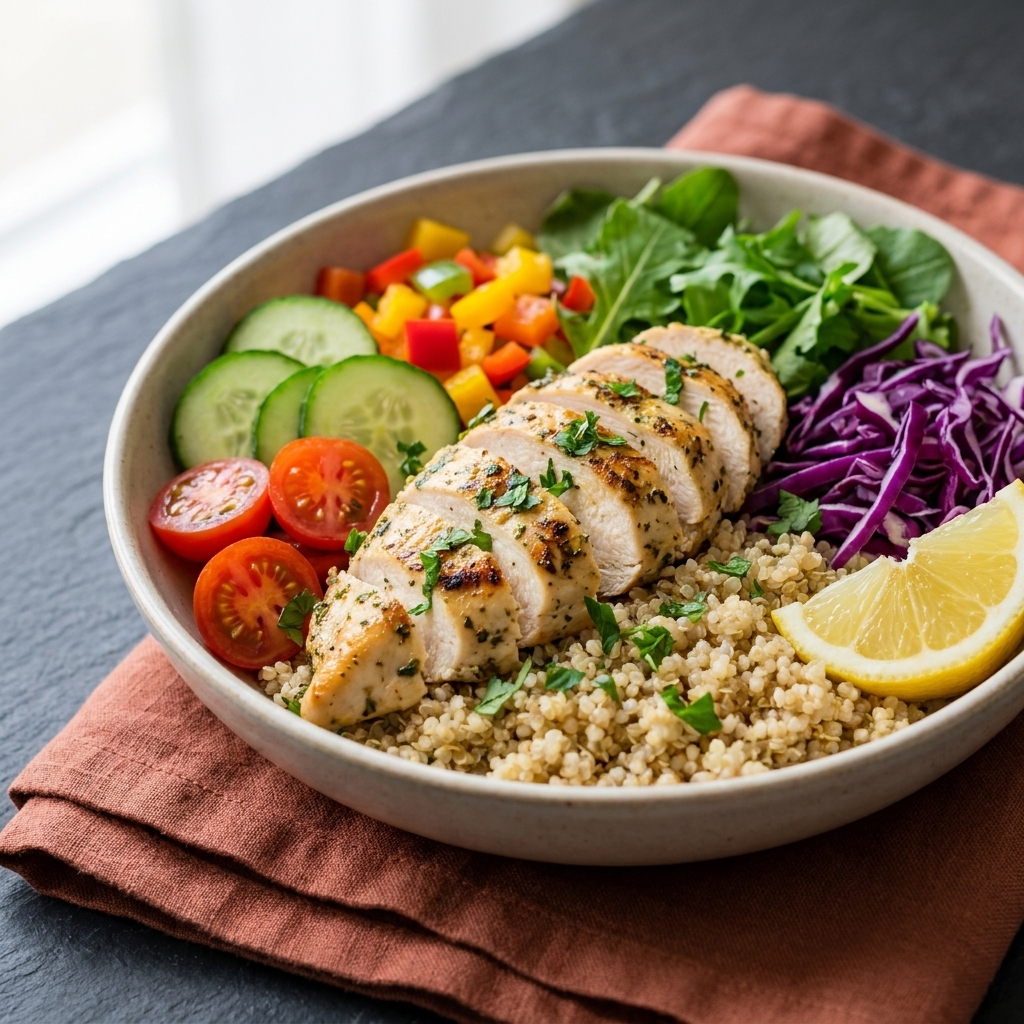
A fresh, protein-centered bowl with chicken, crisp vegetables, quinoa, and lemon.
Simple swap: Replace chicken with chickpeas, tofu, or salmon.
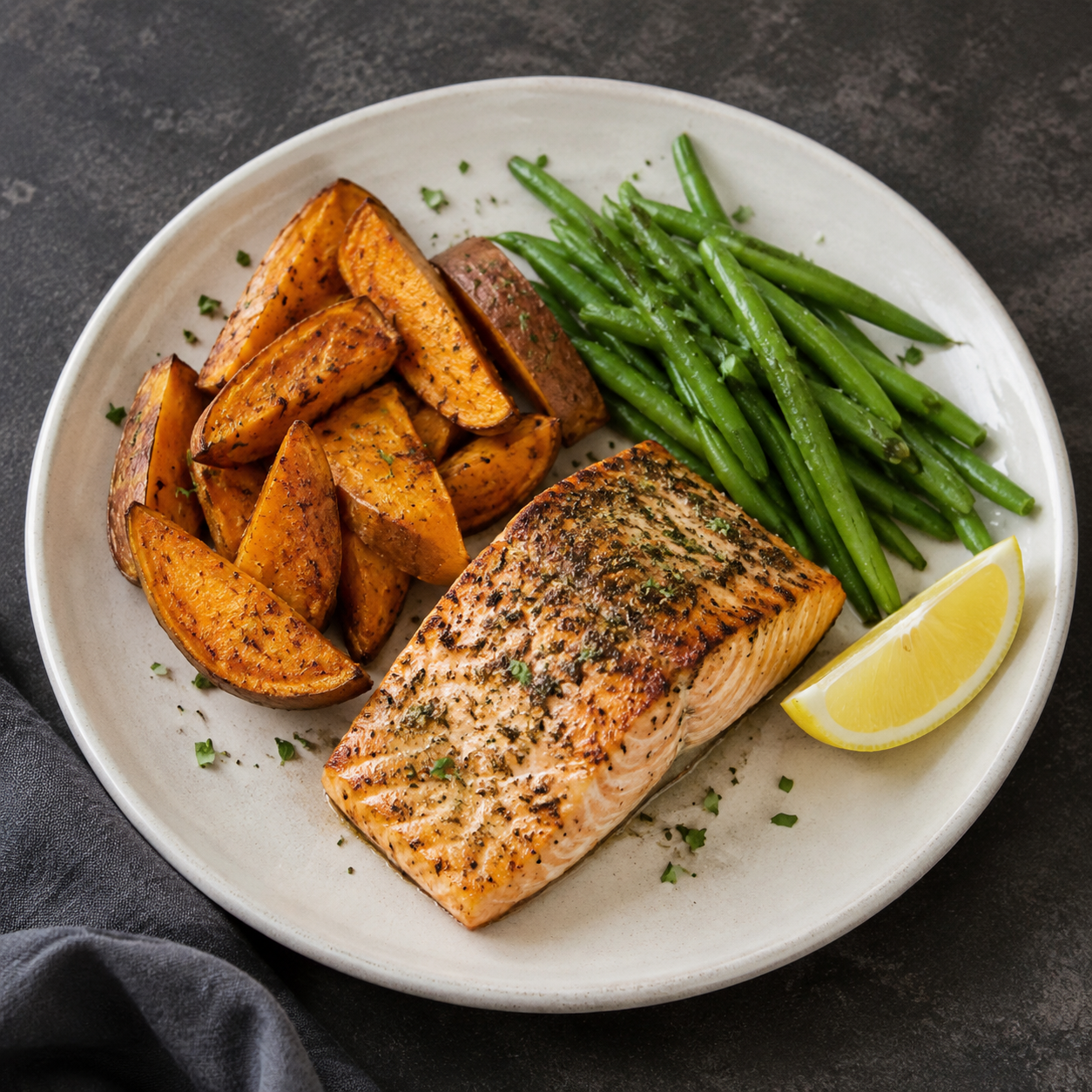
A colorful, satisfying dinner that keeps preparation and cleanup simple.
Simple swap: Use chicken breast or extra-firm tofu and adjust cooking time as needed.
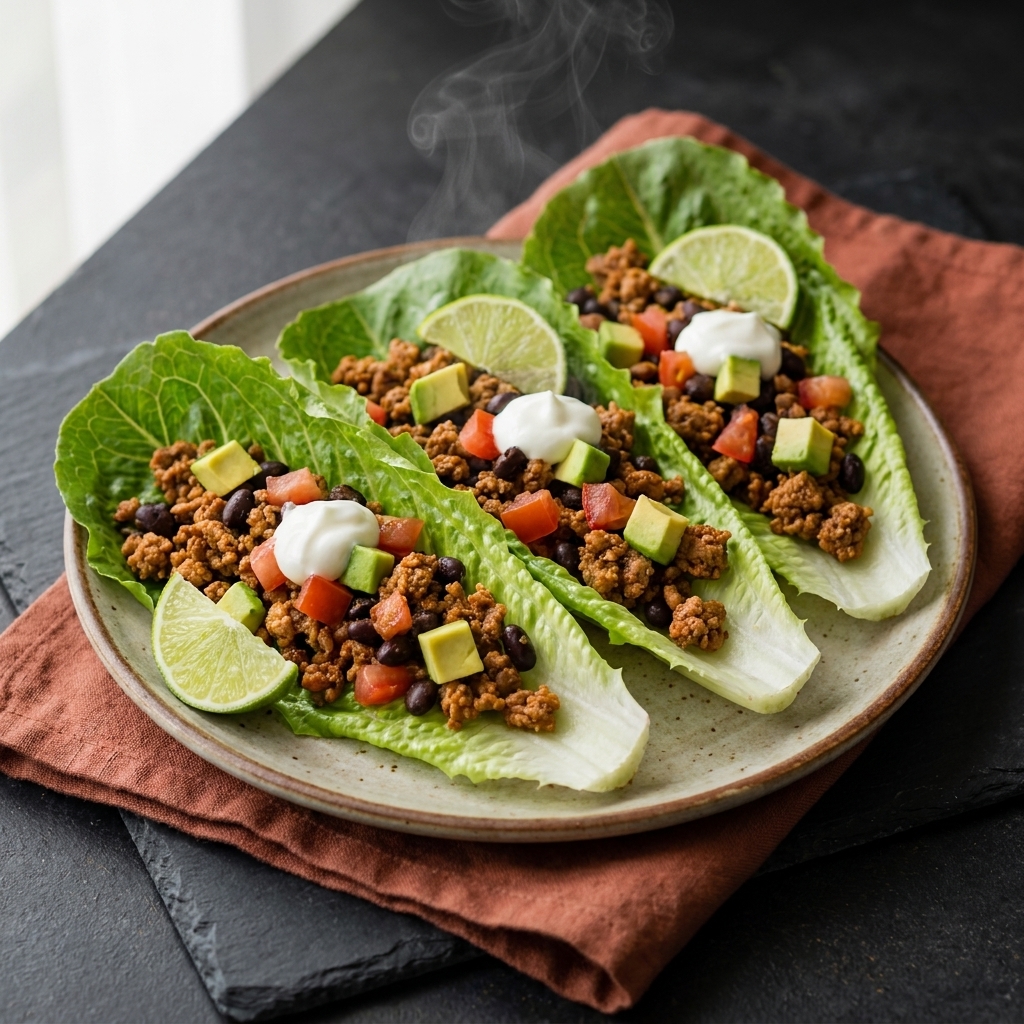
A lighter taco-night option with seasoned turkey and crisp toppings.
Simple swap: Serve the filling over brown rice, quinoa, or chopped lettuce.

A warm one-pot meal with chicken, beans, vegetables, and herbs.
Simple swap: Replace the chicken with an additional can of white beans for a meatless version.

A simple blended option for days when a full meal feels less appealing.
Simple swap: Use a tolerated nut-free seed butter or omit the optional butter.
The Full Collection
Download every recipe card in a single branded booklet—complete with contact details and safe food-handling notes—ready to print or share.
Recipes are general meal ideas, not individualized nutrition prescriptions. Ingredient needs and tolerances vary. Review labels for allergens and follow safe food-handling practices.
Common Questions
No. The Nutrition Shift is an educational framework for making practical, nutrient-dense choices more consistently. It does not prescribe a calorie target, eliminate entire food groups, or replace an individualized plan from a qualified healthcare professional.
Not necessarily. Some people find tracking useful, while others do better with a simpler meal framework. The best approach depends on your needs, medical history, goals, and relationship with food.
Protein needs vary based on factors such as body size, age, activity, health conditions, and whether you are losing weight. This page intentionally does not assign a universal target. A licensed medical provider or registered dietitian can help determine an appropriate amount for you.
The general principles may be useful for some adults receiving medically supervised GLP-1 treatment, but they are not a substitute for instructions from your licensed medical provider. Do not use this page to start, stop, or change a medication, dosage, or treatment plan.
Try smaller portions, eat slowly, and note which foods or meal sizes appear to worsen symptoms. Contact your healthcare provider if symptoms persist, become severe, interfere with hydration or nutrition, or concern you. Seek urgent medical care for severe or persistent abdominal pain or other potentially serious symptoms.
No. The recipes are general educational examples and may not be appropriate for every allergy, intolerance, medical condition, medication, or nutrition requirement. Review every ingredient and consult a qualified healthcare professional when individualized guidance is needed.
Our Content Standard
Body Command Health creates educational content to help people ask better questions and make more informed everyday choices. This page draws from current federal nutrition guidance, peer-reviewed clinical literature, professional medical organizations, and official medication safety information.
The following resources informed the general educational principles on this page.
Have a question about this page or our approach? Visit our about page, read our medical disclaimer, or contact us.
Your Next Step
Nutrition is one part of a bigger picture. Explore Body Command Health and learn how our coordinated experience can connect eligible patients with licensed medical providers, licensed pharmacy partners, and ongoing support.
Prescription treatments require evaluation by a licensed medical provider. Eligibility and results vary.
This page is provided for general educational and informational purposes only. It is not medical advice, nutrition therapy, diagnosis, or treatment and is not a substitute for care from a licensed medical provider or registered dietitian. Individual nutrition, hydration, protein, medication, and weight-management needs vary. Do not start, stop, or change any medication, supplement, diet, or treatment plan based on this content. Contact a qualified healthcare professional for guidance specific to your health history, symptoms, allergies, medications, and goals.
If you experience severe or persistent abdominal pain, repeated vomiting, an inability to keep fluids down, signs of serious dehydration, difficulty breathing, swelling of the face or throat, or another potentially serious symptom, seek prompt medical attention.
Body Command Health does not guarantee eligibility, prescriptions, medication availability, weight loss, or individual results. Prescription treatments, when available, are evaluated and prescribed only by licensed medical providers. Medications are dispensed only by licensed pharmacy partners when clinically appropriate.